
Carpet, hardwood, laminate, linoleum, vinyl, tile, stone, concrete… Concrete?
Yes, concrete.
Concrete floors are a modern flooring solution. They are durable, easy to maintain and compare favorably with other flooring materials, such as natural and ceramic tiles.
Picturing a concrete floor might bring dull, cold and drab images to mind, but with the latest technological advances, concrete floors are nothing like that at all. They are attractive, hard-wearing and can last a lifetime. And, although concrete doesn’t exactly carry the properties to qualify as a good insulator, it can be insulated from underneath before being laid.
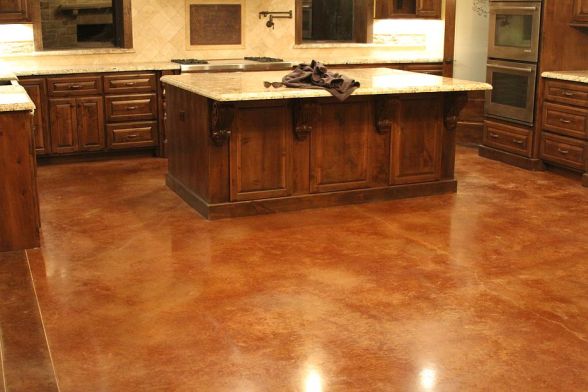
Polished concrete is fast becoming a popular flooring material. Thanks to recent advances in polishing equipment and techniques, contractors are now grinding concrete floor surfaces, whether new or old, to a high-gloss finish. Factor in the superior durability and performance of concrete, and it’s no wonder why more homeowners are opting for polished concrete flooring as an alternative flooring option.
Because polishing is a multistep process, you can choose the level of sheen, from satin to high-gloss; anything that meets your maintenance and aesthetic requirements and tastes.
As with any other flooring option, it is important to understand the good and the bad before choosing to strip out other floors and opt for concrete floors.
Concrete durability
Concrete flooring is extremely tough and resilient and is able to withstand lots of pressure. This also means that the material is difficult to damage. High heels, furniture legs and pet claws will not scratch the surface.
You also don’t have to worry about damage from dropped items. While it is possible to chip or scratch a concrete surface, you will generally have to work pretty hard at it to succeed. Just as with a tiled floor, you will have to take extra care not to drop anything on your concrete floor.
However, the strength and durability of this material can also be a liability. The surface of a concrete floor is very hard; if you trip and fall on one, then you are probably going to hurt yourself. Items dropped on this surface are also more likely to shatter or crack.
That is why these floors are not recommended for areas which are frequented by children or elderly people.
Maintaining a concrete floor
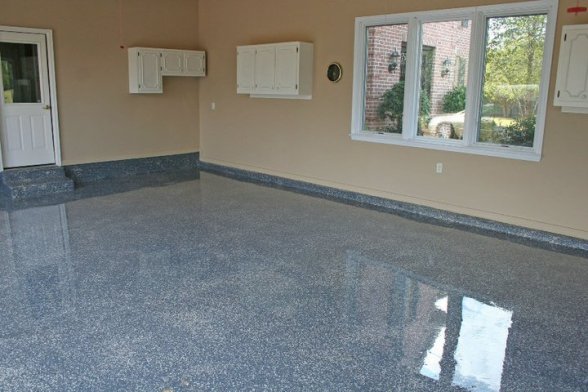
Keeping a concrete floor looking its best requires only a minimum amount of maintenance. It needs to be sealed or waxed every three to nine months, depending on the level of traffic, in order to maintain the protective layer over its surface.
Other than that, you can use a neutral cleaning agent to mop the floor clean periodically. A bit of elbow grease can be used for particularly stubborn stains.
A sealed and properly maintained concrete floor can last indefinitely. Even in commercial applications it can survive under high traffic conditions for many years. This saves you money while also preventing the hassle of having to get new flooring installed periodically.
Just remember, if not properly sealed on both the top and bottom surfaces, concrete will be very susceptible to penetration by moisture. If liquid does manage to make its way into the pores of a concrete floor, it can sit there and lead to the growth of mould or mildew in your home.
These are issues that should be handled by your installer. It is therefore necessary to use a reputable installer with references. In some environments you will also have to worry about the moisture freezing, which will cause it to expand and this can crack the floor slab. This should not be a problem in South Africa as we don’t have to deal with such extreme temperatures, but installing underneath insulation is recommended.
Down the road
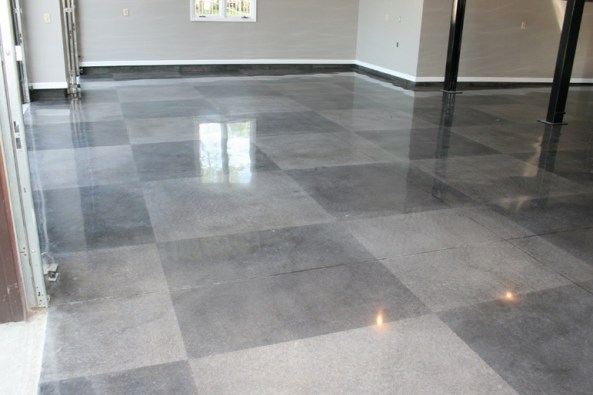
As long as the concrete is smooth and free from holes, bumps and defects, you have the choice of installing any floor surface covering that you want over it at a later date. This gives you a lot of design freedom going forward.
You might find the hardness of concrete also makes it uncomfortable to stand on for long periods. Concrete doesn’t yield, so if you are forced to stand on it for an extended period, your feet might hurt from the hard surface.
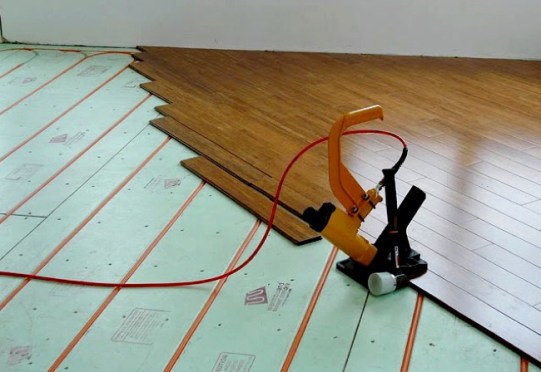
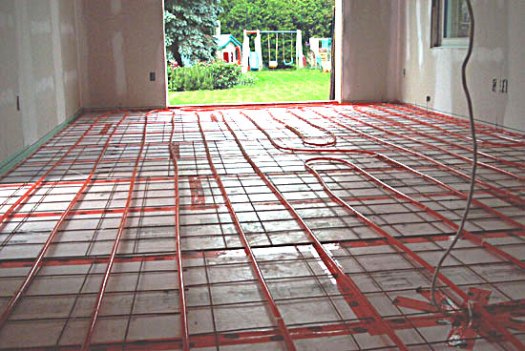
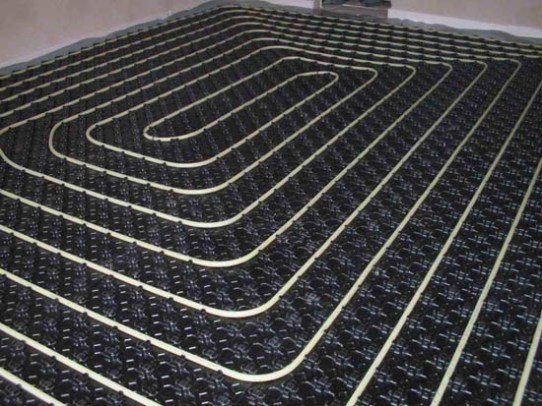
Another drawback of concrete floors is that they do not tend to retain heat very well. This means that on a cold winter morning the surface of the floor will feel chilly against bare toes. This can be offset with underfloor heating, rugs in specific places and insulation.
Texture and color
When most people think of concrete floors, they think of ugly, grey, utilitarian surfaces with sharp, bumpy textures. However, modern advances in concrete mixing and setting have allowed designers to achieve an endless variety of color and texture effects using this versatile material.
In some cases colouration is mixed directly into the concrete before the slab is placed. For already installed floors you can either acid stain the surface, use an appropriate dye or staining agent, or paint over it with a waterproof latex paint.
The texture of the concrete can be made smooth during the installation process. Alternatively, decorative textural patterns can be carved into the surface while it is still setting. You also have the option of polishing the material to a smooth sheen or etching it to create a faux tile effect.

 |
Eric McKenna, Realtor Howard Hanna Real Estate Services Mobile: 412-613-4466 call/text Email: sold@ericmckenna.com Website: www.EricMcKenna.com Address: 1001 Beaver Grade Rd, Moon Twp PA 15108 |
|
       |
||
 Eric McKenna